How to Create Multiple YouTube Accounts and Channels: 2 Easy Methods and Management Tips

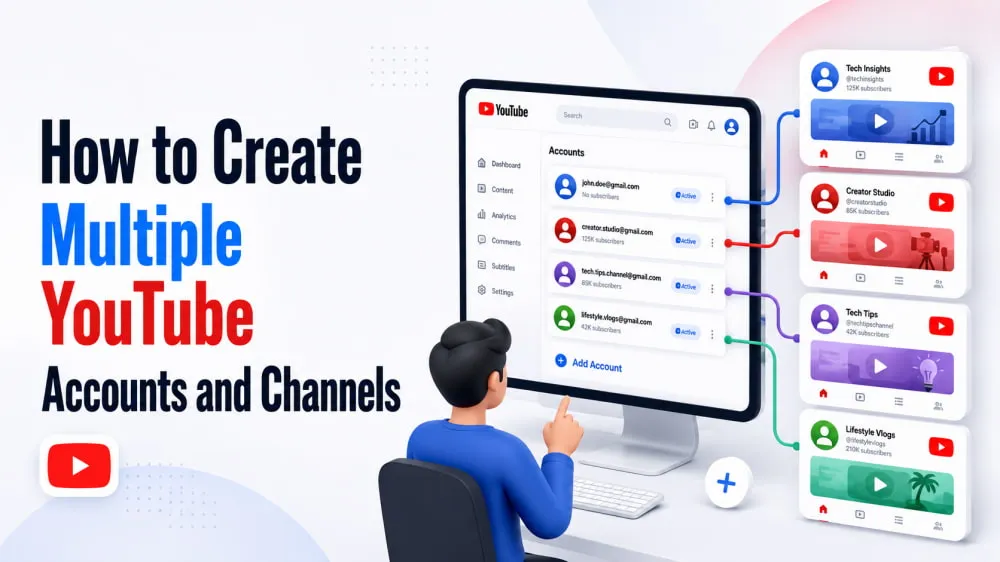
Maybe you want completely separate YouTube logins for different businesses. Or perhaps you only need several channels for different topics, brands, or regions. These setups sound similar, but YouTube handles them in very different ways.
Need separate YouTube logins, or just more channels under one Google Account? This guide shows you how to create multiple YouTube accounts and channels, choose the right setup, and keep everything organized afterward. It also covers practical ways to manage multiple accounts and conduct regional market research.
Can You Create Multiple YouTube Accounts?
Yes. You can create separate Google Accounts and use each one with YouTube. You can also manage several YouTube channels from one Google Account. In everyday searches, "multiple YouTube accounts" often refers to either setup, so choose based on whether you need separate logins or simply separate public channels.
Here is the easiest way to tell the 3 terms apart:
Term | What It Is | What It Controls | Best Fit |
Google Account | Your sign-in identity for Google services | Login details, recovery settings, and access to YouTube | Separate ownership or login environments |
YouTube channel | Your public identity on YouTube | Videos, comments, playlists, subscribers, branding, and analytics | A distinct topic, audience, or brand |
Brand Account | A Google management structure that can be connected to a channel | A separate channel name and access for multiple owners or managers | Team-managed or additional channels |
A Brand Account is not another email address or a separate login. It is a structure that lets one or more Google Accounts manage a channel. YouTube also offers channel permissions, which let owners invite team members without sharing passwords. According to YouTube Help, one Google Account can manage multiple channels connected to Brand Accounts.
Choose separate Google Accounts when each operation needs its own login, recovery information, and ownership. Choose multiple channels under one Google Account when you want one login and quick switching between brands, niches, or content projects.
How to Create Multiple YouTube Accounts and Channels
There are 2 straightforward methods. Separate Google Accounts provide distinct sign-ins and recovery settings, making them better for independent businesses or owners. Multiple channels under one Google Account are easier for a single creator or team that wants centralized access.
Method 1. Create Separate Google Accounts
This method creates separate Google logins for YouTube. Each Google Account has its own credentials, recovery options, Google activity, and YouTube access. It makes sense when different companies or owners should not depend on one main login.
To create each account:
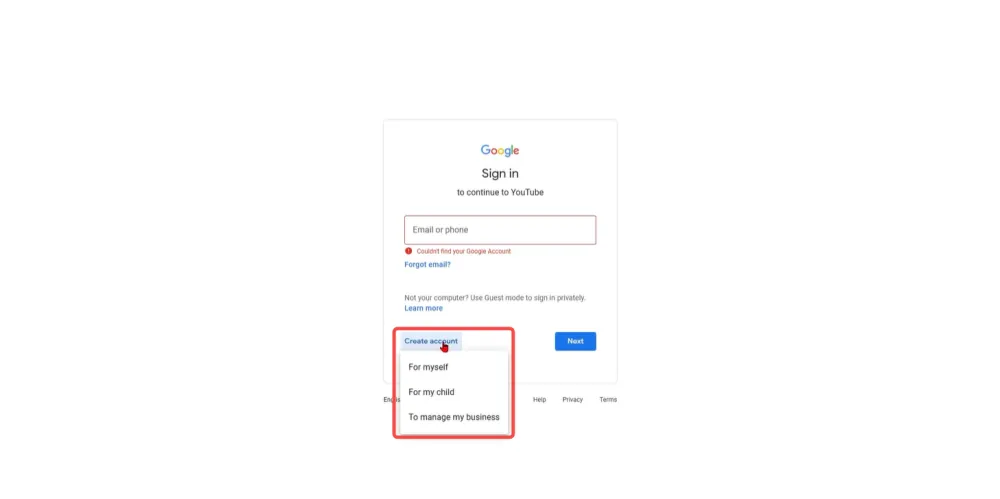
Step 1. Go to the Google Account sign-in page and select Create account. Choose the account type and enter the requested details.
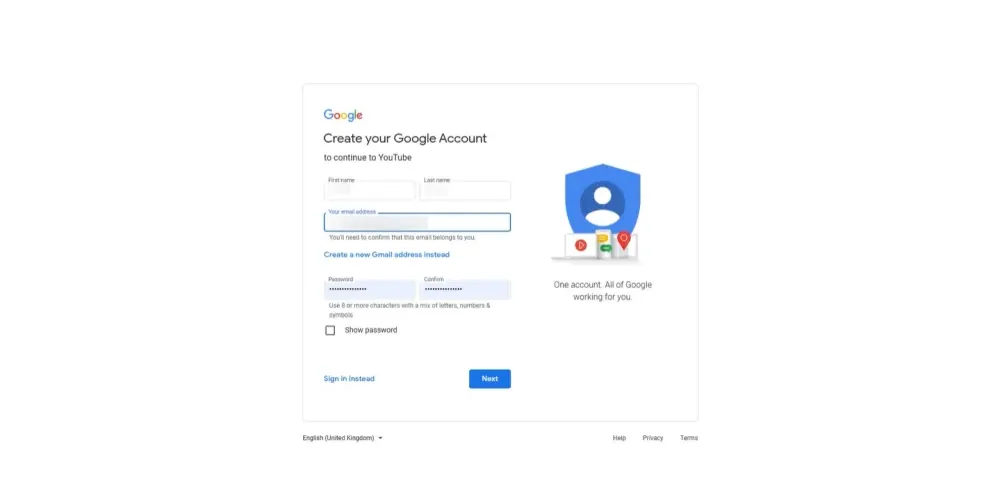
Step 2. Create an email address, set a password, and add recovery information.
Step 3. Sign out and repeat these steps for every additional Google Account.
Step 4. Sign in to YouTube with each account to confirm that every login works separately.
At this point, each Google Account works as a separate YouTube sign-in. To upload videos, comment, or create playlists, use the channel creation steps in Method 2 while signed in to that account.
For ongoing management, teams can keep each login in a separate browser profile and assign a static ISP proxy to that profile. This gives each profile a consistent public IP and makes account-to-environment assignments easier to track.
Method 2. Create Multiple Channels With One Google Account
This is the simpler option for most creators. It keeps several channels under one Google login while giving every channel its own name, handle, videos, subscribers, and branding. YouTube creates a Brand Account when you create a new channel with a business or other name through this route.
Follow the official YouTube channel creation process:
Step 1. Sign in to YouTube with the Google Account that will manage the channel.
Step 2. Select your profile picture, then open Settings.
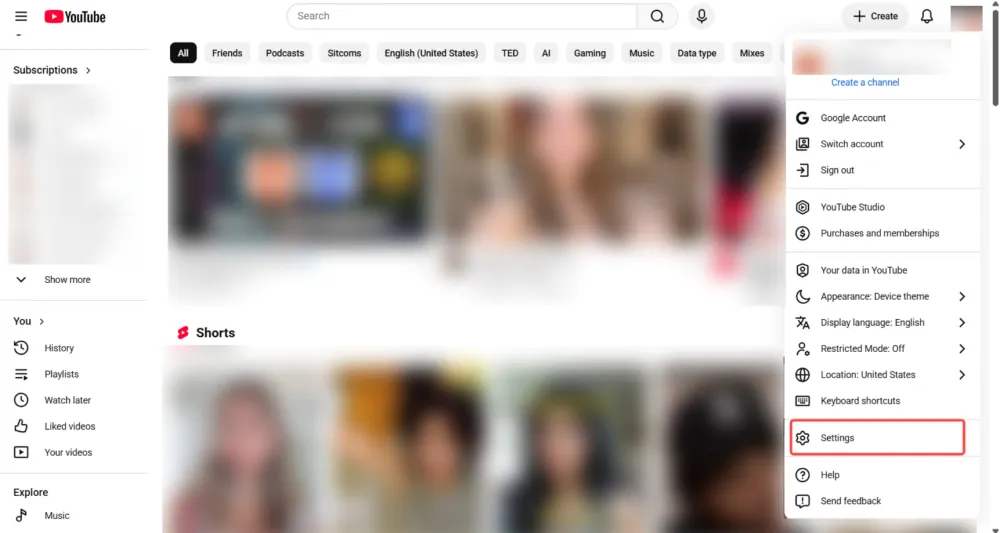
Step 3. Select Create a channel. If the account already has a channel, select Add or manage channel(s) first.
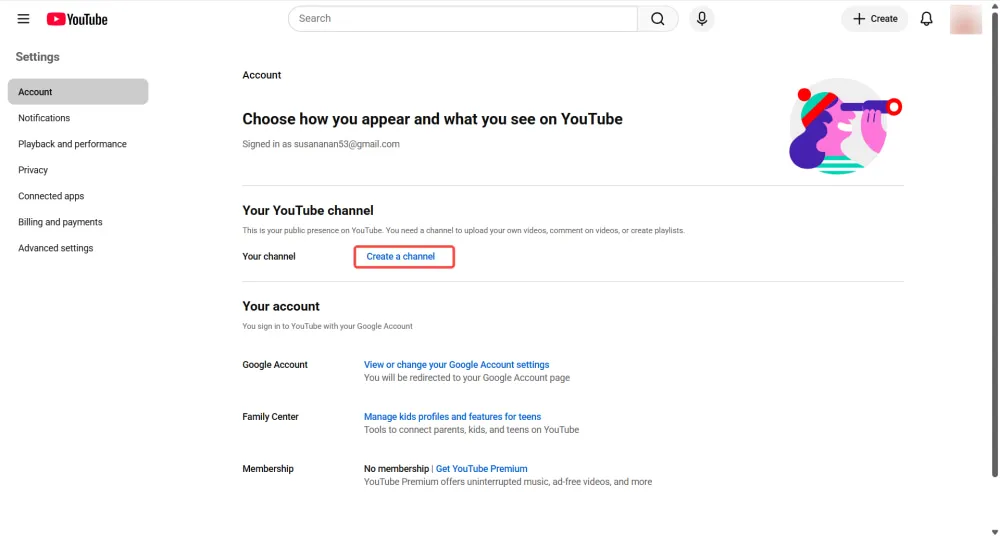
Step 4. Add a profile picture, channel name, and available handle.
Step 5. Select Create channel. To add another channel, return to Add or manage channel(s) and repeat the process.
If these channels target different countries, residential proxies can support market research by routing permitted public-data collection through IPs in the selected markets. This helps teams compare public video listings, competitor activity, and content patterns across regions at scale.
How IPcook Supports Multiple YouTube Accounts and Channels
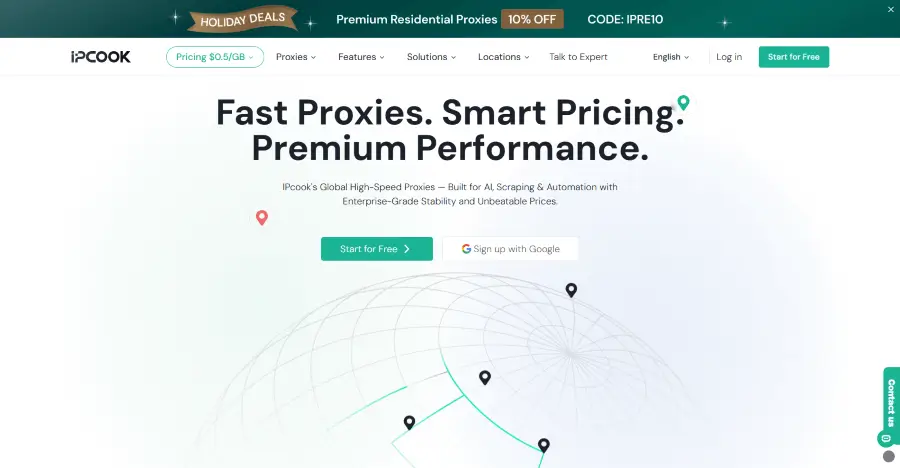
Creating accounts and channels is only the first step. If you need to manage multiple YouTube accounts or conduct market research across different regions, a proxy can help maintain separate access environments and provide regional connections for permitted public-data research. IPcook is a reliable proxy provider that offers Residential Proxies and ISP Proxies to support these workflows.
When managing multiple YouTube accounts, keeping each login in a consistent access environment makes day-to-day management easier. A static ISP proxy supports this setup by giving each browser profile the same public IP across sessions. IPcook ISP Proxies include unlimited traffic and suit long-term use cases that require stable connections, offering 99.9% uptime, low latency, and HTTP and SOCKS5 support. The 10-IP plan costs $0.05 per IP per day, with volume pricing dropping to $0.046 at 500 IPs.
For channels targeting different countries or regions, residential proxies can support market research by routing permitted public-data collection through local IPs. IPcook Residential Proxies provide access to over 55 million IPs across 185+ countries, with country- and city-level targeting. This helps teams compare YouTube content trends across markets, while rotating and sticky sessions support both larger research tasks and consistent regional comparisons.
How to Manage Multiple YouTube Accounts
Managing multiple YouTube accounts requires keeping each Google login organized and confirming which channel is active before publishing or changing settings. The following workflow covers browser profile assignments, IPcook ISP Proxies configuration when needed, and YouTube's built-in channel switcher.
Step 1. Create and label one browser profile for each Google Account, then use that profile whenever you access the account.
Step 2. Sign in to IPcook, open the ISP Proxy pricing page, and choose a plan based on the number of IPs and service duration you need.
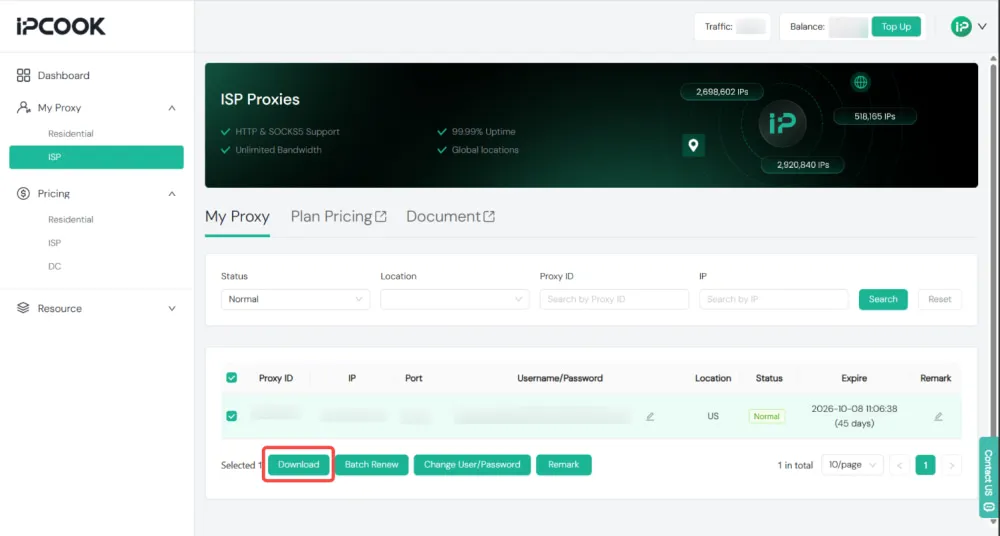
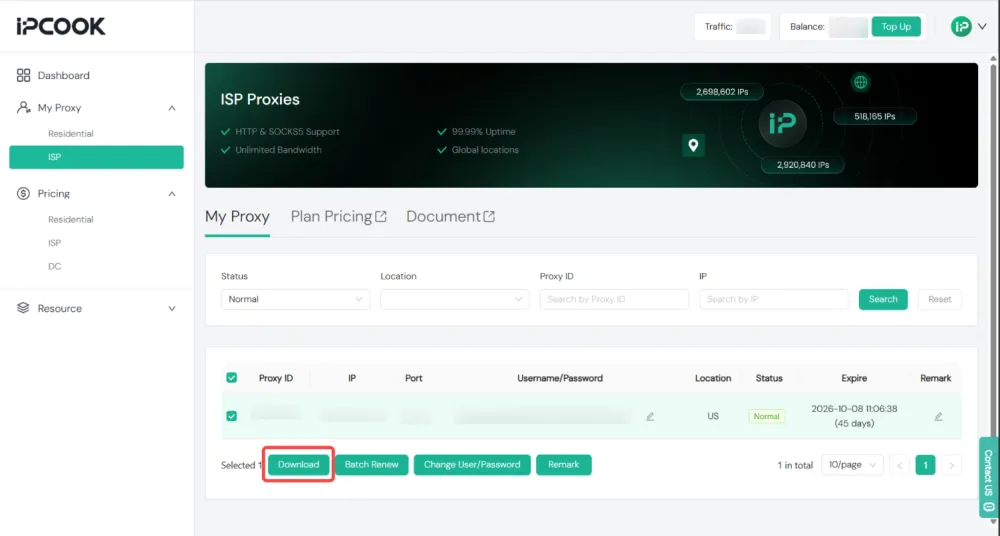
Step 3. From the IPcook dashboard, download the proxy list in your preferred format, including the IP address, port, username, and password. Then add each proxy to its corresponding browser profile.
Step 4. Open YouTube in the correct profile. To change channels under the same Google Account, select your profile picture, choose Switch account, and select the channel.
Confirm the channel name and profile picture before uploading, commenting, or changing settings. For team access, use YouTube channel permissions instead of sharing a Google password.
👀For more detailed proxy setup and configuration, see IPcook User Guide: A Quick Start to Proxy Setup and Configuration
Conclusion
To create multiple YouTube accounts, choose separate Google Accounts when each login needs independent credentials and recovery settings. If you only need distinct identities for brands, topics, or audiences, create multiple channels under one Google Account and switch between them directly on YouTube.
When you need stable access environments for managing multiple YouTube accounts or regional connections for market research, IPcook offers static ISP and Residential Proxies for each task. Choose the appropriate proxy type, keep account environments clearly assigned, and follow YouTube's policies throughout the process.
👀Related Guides: Expanding beyond YouTube?
Explore our account creation guides for Instagram, Facebook, and TikTok, or learn how to create a Twitter (X) bot.